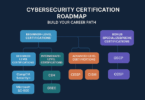


Red Team vs. Blue Team Careers: Which Cybersecurity Role Suits You?
Cybersecurity offers diverse career paths. However, choosing between the red team (offense) and the blue team (defense) can be challenging. Red team professionals simulate attacks to expose vulnerabilities. However, blue team experts monitor, detect, and respond to threats. Both roles are critical for organizational security. The hybrid purple team careers are increasingly in demand. This guide helps you understand skills, certifications, tools, salary expectations, personality fit, and career growth to choose the path that aligns with your strengths.
Whether you enjoy breaking systems creatively or defending them methodically, there is a cybersecurity career tailored to your skills and mindset.
Red teams and blue teams represent two sides of cybersecurity namely attackers and defenders. Red teams simulate real-world attacks to test systems. Whereas, blue teams defend against those threats in real time. If you are considering a cybersecurity career then choosing between these two paths depends on your skills, mindset, and long-term goals.
Introduction
In today’s world of cybersecurity, the battle between attackers and defenders is more than just a metaphor. It is a structured career path. Professionals are often grouped into red teams, who simulate real-world attacks, and blue teams, who defend against those threats. Both roles are critical for strengthening an organization’s security posture. However, they demand different skill sets, mindsets, and career trajectories.
If you are considering a career in cybersecurity, then you may find yourself asking: Should I pursue the offensive, hacker-style path of the red team, or the defensive, analytical route of the blue team? The answer depends on your strengths, interests, and long-term goals. In this guide, we will compare the two sides in depth. Let us cover skills, certifications, tools, salaries, personality fit, and more, so that you can decide which cybersecurity role suits you best.
What Are Red Teams and Blue Teams in Cybersecurity?
In cybersecurity, the concepts of red teams and blue teams are borrowed from military training exercises. In military training, one side plays the role of the attacker and the other side acts as the defender. This structured approach helps organizations test their security posture in real-world scenarios. Let us break it down:
Red Team (Offense)
Red teams are the ethical hackers of the cybersecurity world. Their primary mission is to think like attackers. They find weaknesses before malicious hackers can exploit them. Instead of protecting systems, they simulate advanced cyberattacks using penetration testing, exploit development, social engineering, and adversary emulation.
- Goal: Identify vulnerabilities that real attackers could exploit.
- Methods: Phishing campaigns, exploiting misconfigurations, privilege escalation, lateral movement, and custom malware.
- Mindset: Creative, adaptive, and always asking: “If I were a hacker, then how would I break in?”
By exposing weaknesses, red teams provide organizations with a reality check on how secure their systems truly are.
Blue Team (Defense)
Blue teams are the guardians of an organization’s digital assets. Their responsibility is to monitor, detect, and respond to cyber threats in real time. Unlike red teams, they focus on building resilient defenses and minimizing damage when attacks occur.
- Goal: Protect systems, data, and users from breaches.
- Methods: Security Information and Event Management (SIEM) monitoring, log analysis, intrusion detection systems (IDS), incident response, and digital forensics.
- Mindset: Methodical, detail-oriented, and always asking: “How do I detect and stop the attacker as quickly as possible?”
Blue teams act as the front line of defense. They are constantly improving their tools and processes to counter evolving threats.
Why Both Matter
Cybersecurity is most effective when red and blue teams work together. Red teams simulate sophisticated attacks, while blue teams respond, adapt, and strengthen defenses. This ongoing cycle of offense and defense creates a proactive + reactive security loop. That is often called a purple team approach. In the purple team approach, insights from both sides are shared for continuous improvement.
Without red teams, organizations may never know their blind spots. Without blue teams, they cannot defend against real-world attacks. Together, they form the core of modern cybersecurity strategy.
Red Team vs. Blue Team at a Glance
| Aspect | Red Team (Offense) | Blue Team (Defense) |
| Primary Mission | Simulate real-world attacks to find weaknesses | Defend systems and respond to cyber threats |
| Role Type | Ethical hacker, attacker mindset | Security analyst, defender mindset |
| Key Activities | Penetration testing, exploit development, phishing, adversary emulation | Monitoring, incident response, threat hunting, and digital forensics |
| Mindset | Creative, adaptive, “How do I break in?” | Analytical, cautious, “How do I detect and stop this?” |
| Common Tools | Metasploit, Cobalt Strike, Burp Suite, BloodHound | SIEM (Splunk, ELK), IDS/IPS, Wireshark, EDR platforms |
| Strengths | Uncover hidden vulnerabilities before attackers do | Maintain resilience, minimize damage, ensure compliance |
| Weaknesses | May overlook long-term defensive needs | May struggle with unknown attack techniques |
| Career Examples | Penetration tester, red team operator, exploit developer | SOC analyst, incident responder, threat hunter |
| Certifications | OSCP, CEH, GPEN, CRTO | Security+, CySA+, GCIA, CISSP |
Skills Required for Each Role
Succeeding in either a red team or blue team career requires specialized skills that align with the responsibilities of the role. While there is some overlap, the focus areas differ significantly depending on whether you are attacking (red team) or defending (blue team).
Red Team Skills
Red teamers must think and act like cybercriminals. They should act without malicious intent. Their value lies in creativity and technical depth. They should have the ability to exploit weaknesses others might overlook.
- Penetration Testing & Exploit Development:
- The core skill of red teamers is systematically testing applications, networks, and systems for vulnerabilities. They must also understand exploit development, like crafting. They must understand how hackers modify attack code to bypass defenses.
- Social Engineering & Phishing Simulation:
- Not all attacks are purely technical. Red teamers often design phishing campaigns, pretexting calls, or even physical intrusion attempts to test an organization’s “human firewall.”
- Scripting (Python, PowerShell, and Bash):
- Strong scripting knowledge allows red teamers to automate attacks, write custom payloads, and chain exploits together efficiently. Python is a favorite for tooling, while PowerShell and Bash are crucial for system-level attacks.
- Knowledge of Vulnerabilities & Attack Chains:
- Red teamers must stay updated on the latest CVEs and zero-day exploits. They must have in-depth knowledge and attack frameworks (like MITRE ATT&CK). Equally important is understanding how attackers move laterally within networks to escalate privileges.
Blue Team Skills
Blue teamers need to be detectives and defenders. They must constantly monitor systems and identify anomalies. They should actively respond to active threats. Their success depends on analytical thinking, quick decision-making, and precision.
- SIEM Monitoring & Threat Detection:
- Mastery of Security Information and Event Management (SIEM) tools like Splunk or ELK is essential. Blue teamers analyze logs and correlate events. They spot suspicious patterns in oceans of data.
- Incident Response & Forensic Analysis:
- When an attack occurs, blue teams jump into action. They must contain threats. They must also investigate root causes and perform digital forensics to reconstruct attacker activity for legal or compliance purposes.
- Network Security & Endpoint Defense:
- A strong grasp of firewalls, intrusion detection/prevention systems (IDS/IPS), endpoint detection and response (EDR), and network segmentation is crucial for preventing breaches and minimizing attacker movement.
- Strong Understanding of Compliance Frameworks:
- Blue teams often align security practices with frameworks like ISO 27001, NIST, and GDPR. Knowledge of compliance requirements ensures that defenses not only stop attackers but also meet regulatory obligations.
Together, these skill sets highlight the offensive creativity of red teams and the defensive vigilance of blue teams. Both require continuous learning, as cyber threats evolve rapidly.
Career Pathways
A cybersecurity career is rarely a straight line. It is a journey of building technical skills, earning certifications, and gaining hands-on experience. Whether you choose the offensive path of the red team or the defensive track of the blue team, there are well-defined career ladders you can climb.
Red Team Career Path
Red teamers often start by learning the fundamentals of cybersecurity. Then they move into roles that focus on offensive security.
- Entry-Level Roles:
- Junior Penetration Tester: Assists in running vulnerability scans. They do writing simple scripts and performing basic exploitation under supervision.
- Security Analyst (Offensive Focus): May work in vulnerability management or assist senior red teamers in controlled exercises.
- Mid-Level Roles:
- Penetration Tester / Ethical Hacker: Conducts full-scope penetration tests, from web apps to internal networks.
- Red Team Operator: Performs advanced adversary simulations. They often mimic nation-state or advanced persistent threat (APT) groups.
- Advanced Roles:
- Exploit Developer: Specializes in writing or customizing exploits for known vulnerabilities.
- Adversary Emulation Expert / Red Team Lead: Designs complex attack scenarios and leads entire red team exercises.
- Certifications That Help:
- Beginner: CEH (Certified Ethical Hacker), eJPT (Junior Penetration Tester)
- Intermediate: OSCP (Offensive Security Certified Professional), GPEN (GIAC Penetration Tester)
- Advanced: CRTO (Certified Red Team Operator), OSCE (Offensive Security Certified Expert), GXPN (GIAC Exploit Researcher and Advanced Penetration Tester)
Blue Team Career Path
Blue teamers usually begin with monitoring and detection before progressing to higher-level incident response and threat hunting roles.
- Entry-Level Roles:
- SOC Analyst (Tier 1): Monitors alerts, escalates incidents, and handles basic triage.
- IT Security Specialist: Works on patching, vulnerability management, and basic defensive measures.
- Mid-Level Roles:
- Incident Responder: Investigates active breaches, contains malware, and restores systems.
- Threat Hunter: Proactively searches for hidden attackers using advanced detection techniques.
- Advanced Roles:
- Forensic Analyst: Specializes in reconstructing digital evidence for investigations and legal cases.
- Blue Team Lead / Security Operations Manager: Oversees SOC operations, incident response strategies, and defensive architecture.
- Certifications That Help:
- Beginner: CompTIA Security+, SSCP (Systems Security Certified Practitioner)
- Intermediate: CySA+ (Cybersecurity Analyst), GCIA (GIAC Certified Intrusion Analyst), GCIH (GIAC Certified Incident Handler)
- Advanced: CISSP (Certified Information Systems Security Professional), CISM (Certified Information Security Manager), GCFA (GIAC Certified Forensic Analyst)
A Note on Career Progression
- Many professionals start on the blue team (defense) to understand how attackers are detected. And then move into red team roles once they have mastered defense.
- Others remain specialized in one track and grow into leadership or niche expert roles.
- Hybrid Purple Team careers are the professionals’ bridge between offense and defense. They are increasingly in demand.
Red Team vs. Blue Team Career Pathways
| Career Stage | Red Team (Offense) | Blue Team (Defense) |
| Entry-Level Roles | – Junior Penetration Tester
– Security Analyst (offensive focus) |
– SOC Analyst (Tier 1)
– IT Security Specialist |
| Mid-Level Roles | – Penetration Tester / Ethical Hacker
– Red Team Operator |
– Incident Responder
– Threat Hunter |
| Advanced Roles | – Exploit Developer
– Adversary Emulation Expert – Red Team Lead |
– Forensic Analyst
– Blue Team Lead – Security Operations Manager |
| Core Focus | Simulating attacks, exploiting vulnerabilities, and adversary emulation | Monitoring, detecting, responding, and preventing cyberattacks |
| Beginner Certs | CEH, eJPT | Security+, SSCP |
| Intermediate Certs | OSCP, GPEN | CySA+, GCIA, GCIH |
| Advanced Certs | CRTO, OSCE, GXPN | CISSP, CISM, GCFA |
| Career Progression | Often starts in blue team → transitions into red team; creative/attacker mindset. | Starts in monitoring → grows into incident response & management; analytical/defender mindset. |
Salary Expectations in 2025
One of the biggest questions aspiring cybersecurity professionals ask is: “How much can I earn?” Salaries in both red team and blue team roles vary depending on experience level, location, certifications, and industry sector. However, the outlook for 2025 remains highly competitive.
Red Team Salaries (Offense)
Red team roles often command premium pay because they require specialized offensive skills and advanced certifications. Organizations pay more for experts who can expose weaknesses before real attackers do.
- Entry-Level (Junior Penetration Tester, Security Analyst):
- U.S.: $70,000 – $90,000
- Mid-Level (Penetration Tester, Red Team Operator):
- U.S.: $95,000 – $130,000
- Advanced (Exploit Developer, Adversary Emulation Expert, Red Team Lead):
- U.S.: $140,000 – $180,000+
Niche roles like exploit developers or APT simulation specialists may earn significantly higher in top security consultancies or government defense projects.
Blue Team Salaries (Defense)
Blue team roles are equally valuable. That is true especially as cyberattacks increase in volume and sophistication. Salaries here are slightly more varied, as they range from SOC analysts at the entry level to incident response managers at senior levels.
- Entry-Level (SOC Analyst, Network Defender):
- U.S.: $60,000 – $80,000
- Mid-Level (Incident Responder, Threat Hunter):
- U.S.: $85,000 – $120,000
- Advanced (Blue Team Lead, Security Operations Manager, Forensic Analyst):
- U.S.: $125,000 – $160,000+
Blue team salaries often rise when professionals specialize in threat hunting, digital forensics, or compliance-heavy industries (like finance, healthcare, and government).
Industry Factors Influencing Pay
- Sectors: Finance, defense, and healthcare pay higher than education or small businesses.
- Certifications: Credentials like OSCP, CRTO, or CISSP can boost salaries by 15–25%.
- Location: U.S., Canada, Western Europe, and Singapore pay globally competitive salaries. However, India, the Philippines, and Eastern Europe are rapidly catching up due to global outsourcing.
- Hybrid Roles: Professionals with purple team skills (bridging red and blue) are seeing premium compensation because they strengthen collaboration between attackers and defenders.
Key Takeaway: By 2025, both red team and blue team professionals can expect strong salaries, rapid career growth, and high job security. The red team roles generally get slightly higher pay due to their specialized offensive focus.
Personality & Work Style Fit
Choosing between a red team or blue team career is not only about skills and certifications, but also about who you are as a professional. Both roles demand technical expertise. However, the mindset, work style, and daily challenges differ significantly.
Red Team Fit
Red teamers thrive when they can think like attackers. They enjoy pushing boundaries, breaking things (ethically), and finding flaws others overlook.
- Traits: Curious, creative, adaptive, risk-taker, thrives on outsmarting systems.
- Work Style: Fast-paced, exploratory, requires improvisation and lateral thinking.
- Ideal For People Who:
- Love solving puzzles by breaking them apart.
- Get satisfaction from discovering a hidden flaw.
- Do not mind a bit of cat-and-mouse thrill in their work.
Blue Team Fit
Blue teamers excel when they can analyze, protect, and mitigate risk. They prefer structured processes, detailed investigations, and building strong defenses.
- Traits: Methodical, detail-oriented, analytical, risk-mitigator, thrives on vigilance.
- Work Style: Steady, investigative, requires precision and pattern recognition.
- Ideal For People Who:
- Enjoy solving problems with a systematic approach.
- Find satisfaction in making systems stronger and safer.
- Prefer preventing chaos rather than causing it.
Quick Self-Reflection Quiz
Ask yourself these questions to see which side you lean toward:
- Do you enjoy finding loopholes in systems or closing them?
- Would you rather simulate an attack to test defenses, or analyze alerts to stop one?
- Does solving problems excite you more when you can be creative and unpredictable, or methodical and precise?
- Do you prefer a high-risk, high-reward challenge (red team) or the steady satisfaction of protecting (blue team)?
If most of your answers lean toward breaking in, you may be a natural red teamer. If they lean toward defending and protecting, you are likely blue team material.
Red Team vs. Blue Team Personality & Work Style
| Aspect | Red Team (Offense) | Blue Team (Defense) |
| Mindset | Thinks like an attacker, creative | Thinks like a defender, analytical |
| Traits | Curious, adaptive, risk-taker | Methodical, detail-oriented, risk-mitigator |
| Work Style | Fast-paced, exploratory, improvisational | Structured, investigative, precise |
| Motivation | Finding vulnerabilities, problem-solving creatively | Preventing attacks, strengthening defenses |
| Preferred Challenges | Breaking systems, discovering hidden flaws | Detecting threats, analyzing patterns |
| Daily Focus | Penetration testing, exploit simulation | Monitoring alerts, incident response |
| Ideal Fit For | Professionals who enjoy risk & creativity | Professionals who enjoy stability & analysis |
| Self-Reflection Question | “Do you enjoy finding loopholes?” | “Do you enjoy closing vulnerabilities?” |
Tools Used by Each Team
In cybersecurity, knowing which tools to use and why is just as important as understanding the techniques themselves. Red and blue teams rely on specialized software and frameworks that align with their respective objectives: offense or defense. Mastery of these tools is often a prerequisite for both hands-on experience and professional certifications.
Red Team Tools (Offense)
Red teams simulate attacks and identify weaknesses before real attackers can exploit them. Their tools are designed to probe, test, and manipulate systems creatively.
- Metasploit: It is one of the most widely used penetration testing frameworks. Metasploit allows red teamers to launch exploits, test vulnerabilities, and simulate post-exploitation scenarios. It is often used in both lab exercises and live engagement scenarios.
- Cobalt Strike: Known for advanced adversary simulation, Cobalt Strike mimics tactics, techniques, and procedures (TTPs) used by real-world threat actors. Features include lateral movement, privilege escalation, and command-and-control testing.
- Burp Suite: A staple for web application security testing. Burp Suite enables the interception, modification, and replay of web requests. It helps red teamers discover SQL injection, XSS, and other web vulnerabilities.
- BloodHound: Maps complex Active Directory environments and identifies privilege escalation paths. It is enabling red teams to simulate real-world attacks on enterprise networks.
- Additional Tools: Nmap is for network scanning. Hydra is for password attacks, and custom Python or PowerShell scripts for automation of attacks.
Real-World Context: Red teamers combine these tools with creativity and adversarial thinking. Their work is not just technical; it requires strategic planning, understanding attack chains, and simulating scenarios attackers would realistically attempt.
Blue Team Tools (Defense)
Blue teams protect systems by detecting, analyzing, and responding to threats. Their tools provide visibility across networks, endpoints, and applications.
- Splunk: A leading SIEM platform, Splunk aggregates logs from multiple sources. It is enabling blue teamers to detect anomalies, correlate events, and investigate incidents in real time.
- ELK Stack (Elasticsearch, Logstash, Kibana): Offers centralized logging and analytics. Blue teams use ELK for threat hunting, trend analysis, and visualizing suspicious activity across complex networks.
- Wireshark: A network protocol analyzer that captures and inspects traffic. Blue teamers use Wireshark to identify suspicious traffic patterns, unauthorized connections, or data exfiltration attempts.
- CrowdStrike: Provides cloud-based endpoint protection, detecting malware, ransomware, and other threats. It also supports real-time incident response and threat intelligence integration.
- SentinelOne: AI-driven endpoint detection and response (EDR) tool. SentinelOne automates threat prevention, detection, and remediation. It allows blue teams to respond faster to emerging attacks.
- Additional Tools: Carbon Black is for endpoint monitoring. OSSEC is for host-based intrusion detection, and Splunk Phantom is for security orchestration automation and response (SOAR).
Real-World Context: Blue teams operate in high-pressure environments. They rely on SIEM dashboards and automated alerts. They rely on forensic tools to detect attacks quickly, analyze their scope, and mitigate damage before it escalates.
Key Differences in Tool Usage
| Aspect | Red Team | Blue Team |
| Objective | Simulate attacks, uncover vulnerabilities | Detect, respond, and prevent attacks |
| Tool Type | Exploitation frameworks, attack simulators | SIEMs, EDRs, network monitoring, forensics |
| Focus | Offensive tactics and creative problem-solving | Defensive strategies and analytical problem-solving |
| Automation | Scripts and exploit automation | Alert correlation, automated response |
| Learning Curve | High technical creativity required | Deep understanding of systems, logs, and protocols |
Key Takeaways
- Red teams excel by mastering attack tools and understanding how vulnerabilities can be exploited creatively.
- Blue teams excel by mastering defense tools. That is ensuring threats are detected quickly and mitigated effectively.
- For aspiring cybersecurity professionals, hands-on practice with these tools is essential. Those are often included in labs for OSCP, CEH, CySA+, and other certifications.
- Familiarity with these tools not only improves employability but also helps professionals understand the perspective of the opposite team. That is a key advantage for purple team roles.
Transitioning Between Teams
Cybersecurity is a dynamic field. Its career paths are often fluid rather than linear. Professionals frequently move between red and blue teams or combine skills from both. That depends on their interests, experience, and organizational needs.
Starting on the Blue Team
Many cybersecurity professionals begin their careers on the blue team. Roles like SOC analyst, incident responder, or network defender provide foundational knowledge of:
- Security monitoring and detection techniques
- Incident response workflows
- Network and endpoint defenses
Why start here?
- Blue team experience helps professionals understand how attacks are detected and mitigated. That is giving them a strong defensive mindset.
- It provides a structured, methodical environment to learn the fundamentals of cybersecurity. That is often with less risk than offensive engagements.
Once blue teamers master defense techniques and gain exposure to attack methodologies, some transition to red team roles. In red teams, they can apply their defensive knowledge to simulate real-world attacks. This pathway is common because:
- Understanding defensive measures makes red team operations more realistic and effective.
- Professionals already familiar with systems, logs, and network layouts can identify vulnerabilities faster.
Moving to the Red Team
Transitioning to a red team role often involves:
- Gaining penetration testing skills and familiarity with offensive tools like Metasploit, Cobalt Strike, and Burp Suite.
- Completing red team certifications such as OSCP, GPEN, or CRTO.
- Demonstrating creativity and strategic thinking to simulate attacks realistically.
Advantages of this move:
- Leverages defensive knowledge to conduct more accurate adversary simulations.
- Expands career options and potential salary growth, as red team specialists are in high demand.
Hybrid “Purple Team” Careers
The concept of a purple team bridges the gap between offense and defense. Purple teamers:
- Facilitate collaboration between red and blue teams.
- Translate red team findings into actionable blue team defenses.
- Optimize security processes, automate defensive measures, and enhance overall organizational resilience.
Why purple teams are in demand:
- Organizations increasingly seek holistic security strategies rather than isolated attack or defense silos.
- Purple team professionals have cross-functional expertise. That is making them valuable for strategic security planning.
Career Tip: Many professionals build a hybrid skill set by gaining experience in both red and blue team roles. Then they are advancing into purple team leadership or consultancy positions.
Key Takeaways
- Starting in blue team roles is common for foundational experience.
- Transitioning to red team roles leverages defensive knowledge to enhance offensive skills.
- Pursuing purple team careers allows professionals to bridge both worlds. Purple team is increasing value, versatility, and employability.
- Cybersecurity careers are flexible; mastering both offense and defense opens doors to leadership, consulting, and niche expert roles.
Purple Team
Cybersecurity is moving beyond the traditional red team vs. blue team divide. In 2025, many enterprises are realizing that the best defense is not simply testing their systems with a red team or protecting them with a blue team; it is combining both approaches into a purple team strategy. Purple teams emphasize collaboration, where offensive and defensive professionals work side by side to strengthen security in real time.
Why Purple Teams Are in High Demand in 2025
- Bridging silos: In many organizations, red and blue teams operate independently. That slows down the process of learning from attacks. Purple teams break down these silos by encouraging continuous collaboration and knowledge transfer.
- Better resource efficiency: Instead of maintaining large, separate offensive and defensive groups, purple teams allow organizations to maximize the skills of fewer specialists. That is making them cost-effective in times of budget pressure.
- Smarter defense: With real-time feedback, defensive teams can tune their alerts, refine detection logic, and close blind spots immediately, rather than waiting for a post-engagement report.
- Regulatory and compliance needs: Industries like finance, healthcare, and government require ongoing assurance. Purple team exercises demonstrate that an organization is not only testing its defenses but also actively improving them.
- Career growth opportunities: Professionals with both offensive and defensive expertise are becoming some of the most sought-after specialists. It often commands higher salaries and leadership opportunities.
How Purple Teams Operate
Unlike traditional security exercises, purple team operations focus on collaboration over competition:
- Joint Planning – Red and blue professionals work together from the start, defining goals, threats to simulate, and systems in scope.
- Simulated Attacks in Real Time – The red team launches attacks. While the blue team simultaneously observes, detects, and responds.
- Immediate Feedback Loops – Gaps in detection or misconfigurations are fixed on the spot, rather than waiting until the end of the engagement.
- Knowledge Sharing – Lessons are shared across the entire security team. That is ensuring skills and improvements are not isolated.
- Ongoing Iteration – Purple teams do not operate as a one-off project. They run in cycles, testing defenses against new threats and continuously adapting.
Tools Commonly Used by Purple Teams
Because they combine both offensive and defensive mindsets, purple teams use a hybrid toolkit:
- Offensive Simulation Tools: Penetration frameworks like Metasploit, adversary emulation platforms like Cobalt Strike, or Active Directory exploration tools like BloodHound.
- Defensive Monitoring Tools: SIEM platforms (Splunk, ELK Stack), EDR solutions (CrowdStrike, SentinelOne), and traffic analyzers like Wireshark.
- Automation & Orchestration (SOAR): Platforms that allow red and blue workflows to interact in real time, speeding up response.
- Breach and Attack Simulation (BAS) Tools: Continuous validation platforms that automate attack techniques to help purple teams measure defensive coverage.
- Cyber Ranges & Labs: Controlled environments where both sides can test attacks and defenses together without risking live systems.
Certifications & Training for Purple Team Professionals
A successful purple teamer typically blends certifications from both the offensive and defensive domains, along with specialized purple training:
- Red Team Certifications: OSCP, CEH, GPEN (build offensive skills).
- Blue Team Certifications: CompTIA Security+, CySA+, GCIA, CISSP (build detection and defensive skills).
- Hybrid / Purple Certifications: Programs that explicitly train professionals in both attack simulation and defensive tuning. That includes emerging “purple analyst” certificates and specialized purple team workshops.
Many training providers also now offer labs and exercises where students can experience red and blue interactions simultaneously. It is an essential step toward developing the purple mindset.
Consulting & Enterprise Opportunities
The rise of purple teaming has also opened up new opportunities beyond traditional employment:
- Purple Team Consulting Services – Security consultants can now offer blended red/blue engagements to help organizations mature their defenses.
- Enterprise Purple Roles – Many large organizations are building permanent purple teams within their SOCs. That is creating demand for hybrid analysts and engineers.
- Managed Purple Services – Some security providers are embedding purple teaming into their Managed Detection and Response (MDR) offerings.
- Training & Knowledge Sharing – With demand increasing, there is also a strong market for professionals who can run workshops, develop playbooks, or build purple team readiness programs.
Why This Matters for Your Career
For professionals, purple teaming represents one of the most exciting growth areas in cybersecurity today. It requires technical breadth, adaptability, and strong communication skills. However, the payoff is significant. Those who can operate across the offense-defense divide will not only be highly employable but will also play a central role in shaping the future of enterprise security.
Red vs. Blue vs. Purple Teams: Pros, Cons, and Ideal Fit
| Aspect | Red Team (Offense) | Blue Team (Defense) | Purple Team (Hybrid) |
| Primary Role | Ethical hacking, penetration testing, and attack simulation | Threat detection, incident response, and defense | Bridge between red and blue. Optimize defense using offensive insights |
| Pros | – High demand & premium salaries
– Creative, dynamic work – Exposure to advanced attack techniques |
– Steady, structured work
– Strong job security – Clear progression from SOC analyst → lead roles |
– Cross-functional expertise
– Highly valued in organizations – Opportunities in leadership & consultancy |
| Cons | – High-pressure, high-stakes tasks
– Continuous learning is needed to stay ahead of attackers – Can be stressful & risk-heavy |
– Can be repetitive at the entry-level
– Requires constant vigilance – Less creative than the red team |
– Requires mastery of both offense & defense
– High responsibility and workload – Can be complex to manage cross-team coordination |
| Ideal Personality Fit | Curious, creative, enjoys problem-solving & risk-taking | Methodical, detail-oriented, enjoys protecting systems & mitigating risks | Balanced: analytical yet creative, enjoys collaboration & holistic security |
| Typical Tools | Metasploit, Cobalt Strike, Burp Suite, BloodHound | Splunk, ELK Stack, Wireshark, CrowdStrike, SentinelOne | Combination of red & blue team tools, plus automation/orchestration tools (SOAR) |
| Recommended Certifications | OSCP, CEH, GPEN, CRTO | CompTIA Security+, CySA+, GCIA, CISSP | Combination of both red & blue certifications; leadership courses helpful |
| Career Outlook | High demand for skilled offensive security professionals | Steady demand is critical for all organizations | Increasingly in demand; strategic & leadership opportunities |
Salary & Job Outlook in Cybersecurity Careers (2025 and Beyond)
Cybersecurity remains one of the most resilient and high-growth career fields in 2025. With rising threats from ransomware, AI-driven attacks, and nation-state cyber operations, organizations are investing heavily in security teams. Salaries vary depending on specialization, skill depth, and certifications. However, the outlook is strong across all major career tracks.
Red Team Salary & Outlook
- Salary Range (2025): $95,000 – $160,000 (senior roles can exceed $180k in large enterprises).
- Job Outlook: Growing steadily as companies adopt adversary emulation and proactive offensive security testing.
- Future Trend: High demand in fintech, defense, and critical infrastructure. Specialized skills like cloud pentesting and adversary simulation will command premium pay.
Blue Team Salary & Outlook
- Salary Range (2025): $80,000 – $150,000 (SOC analysts start lower, blue team leads much higher).
- Job Outlook: Very strong demand is outpacing supply, particularly in healthcare, government, and enterprise defense.
- Future Trend: Blue teams are integrating more AI-driven SIEM tools. However, skilled analysts and responders remain irreplaceable.
Purple Team Salary & Outlook
- Salary Range (2025): $100,000 – $170,000.
- Job Outlook: Rapid growth; enterprises want professionals who can bridge offense and defense.
- Future Trend: Purple teamers with consulting experience will be valuable as companies adopt proactive defense strategies.
Cloud Security Salary & Outlook
- Salary Range (2025): $110,000 – $185,000.
- Job Outlook: Among the fastest-growing domains due to cloud migration and hybrid infrastructures.
- Future Trend: Cloud-native security roles (AWS, Azure, GCP security engineers) remain hot with AI-driven cloud threat detection.
Governance, Risk, and Compliance (GRC) Salary & Outlook
- Salary Range (2025): $75,000 – $140,000.
- Job Outlook: Stable and essential, especially for regulated industries (finance, healthcare, government).
- Future Trend: Increasing need for compliance with privacy laws (GDPR, CCPA, India DPDP Act) and AI governance frameworks.
AI/ML Security Salary & Outlook
- Salary Range (2025): $120,000 – $190,000.
- Job Outlook: Exploding demand—AI systems themselves are becoming attack surfaces.
- Future Trend: Specialists in adversarial machine learning, model integrity, and AI-powered detection will be at the cutting edge of cybersecurity careers.
Comparison Table: Cybersecurity Career Salaries & Outlook (2025)
| Role | Salary Range (2025) | Job Outlook | Future Trend |
| Red Team (Offense) | $95k – $160k | Strong | Growth in pentesting & adversary emulation |
| Blue Team (Defense) | $80k – $150k | Very Strong | AI-driven defense + human analysis combo |
| Purple Team (Hybrid) | $100k – $170k | Rapid Growth | Consulting & proactive defense strategies |
| Cloud Security | $110k – $185k | Fastest Growth | Cloud-native & multi-cloud expertise |
| GRC | $75k – $140k | Stable/Strong | Privacy & AI compliance rising |
| AI/ML Security | $120k – $190k | Exploding Demand | Adversarial ML & model integrity |
Which Cybersecurity Career Path Should You Choose?
Choosing between a red team, blue team, or purple team career ultimately depends on your skills, interests, and professional goals. Both offensive and defensive roles are highly rewarded. However, understanding your personal fit can help you make a more informed decision.
Red Team: For the Offensive Mind
- Who It is Best For: Curious, creative individuals who enjoy breaking systems ethically and thinking like attackers.
- Career Highlights: High-paying, dynamic, and constantly evolving. Opportunities range from penetration tester to exploit developer and red team lead.
- Key Considerations: Fast-paced, high-pressure work that requires continuous learning and technical creativity.
Blue Team: For the Defensive Mind
- Who It is Best For: Methodical, detail-oriented professionals who enjoy analyzing threats, preventing attacks, and protecting systems.
- Career Highlights: Structured career growth from SOC analyst to security operations manager. Highly stable with strong demand across industries.
- Key Considerations: May involve repetitive monitoring tasks at entry-level; requires vigilance and precision under pressure.
Purple Team: For the Strategic Hybrid
- Who It is Best For: Professionals who can bridge offense and defense. It is combining creative problem-solving with analytical thinking.
- Career Highlights: Highly sought-after in modern organizations. Offers leadership, consultancy, and strategic planning opportunities.
- Key Considerations: Requires mastery of both red and blue skill sets, high responsibility, and strong collaboration skills.
Actionable Advice
- Self-Reflect: Use the quiz-style questions and personality fit insights to determine your natural inclination.
- Build Core Skills: Start with foundational certifications and hands-on labs in your chosen path.
- Gain Experience: Entry-level roles in SOC, IT security, or junior penetration testing provide practical exposure.
- Specialize or Hybridize: Decide whether to focus deeply on one area or pursue a hybrid purple team role to maximize versatility.
- Stay Updated: Cybersecurity evolves rapidly. Continuous learning, tool mastery, and certification upgrades are essential.
Final Takeaway
There is no “one-size-fits-all” in cybersecurity.
- Red teams reward creativity and offensive thinking.
- Blue teams reward vigilance and methodical defense.
- Purple teams reward versatility and collaboration.
By assessing your personality, career goals, and skill set, you can choose the path that aligns with your strengths while enjoying strong job security, growth opportunities, and competitive salaries.
Frequently Asked Questions (FAQs)
-
What is the difference between a red team and a blue team in cybersecurity?
Answer: Red teams focus on offensive security. It is simulating attacks to find vulnerabilities. Blue teams handle defensive security. They are monitoring systems, detecting threats, and responding to incidents. Both of them work together to strengthen organizational security.
-
Which career path pays more: red team or blue team?
Answer: On average, red team roles command slightly higher salaries due to their specialized offensive skills. However, blue team roles offer steady growth, job security, and opportunities across all industries. Purple team roles can offer premium pay due to cross-functional expertise.
-
What skills are required for a red team role?
Answer: Key skills include penetration testing, exploit development, social engineering, scripting (Python, PowerShell, Bash), and knowledge of attack chains and vulnerabilities. Creativity and problem-solving are critical.
-
What skills are required for a blue team role?
Answer: Essential skills include SIEM monitoring, incident response, forensic analysis, network security, endpoint defense, and understanding compliance frameworks. Attention to detail and analytical thinking are crucial.
-
Can I switch from blue team to red team or vice versa?
Answer: Yes. Many professionals start in blue team roles to gain foundational defensive knowledge. Then they transition to red team positions. Hybrid purple team careers combine both skill sets and are increasingly in demand.
-
What certifications help in red and blue team careers?
Answer:
- Red Team: OSCP, CEH, GPEN, CRTO
- Blue Team: CompTIA Security+, CySA+, GCIA, CISSP
- Purple Team: Combination of both red and blue certifications plus leadership or security orchestration courses
-
What tools do red and blue teams use?
Answer:
- Red Team: Metasploit, Cobalt Strike, Burp Suite, BloodHound
- Blue Team: Splunk, ELK Stack, Wireshark, CrowdStrike, SentinelOne
- Purple Team: A combination of both red and blue team tools, often with automation and orchestration platforms (SOAR)
-
Which personality traits fit red and blue team roles?
Answer:
- Red Team: Curious, creative, risk-taker, enjoys attacking systems ethically
- Blue Team: Methodical, analytical, detail-oriented, enjoys defending and problem-solving
- Purple Team: Balanced mix of creativity and analytical thinking, enjoys collaboration
-
What is a purple team in cybersecurity?
Answer: A purple team bridges red and blue teams. It is facilitating collaboration and turning red team findings into actionable blue team defenses. It is improving overall organizational security.
-
How do I start a career in red, blue, or purple team roles?
Answer: Begin with foundational cybersecurity knowledge, gain hands-on experience in SOC or penetration testing labs, earn relevant certifications, and then specialize or pursue hybrid roles depending on your interests and skill set.