

What Are Influencer Collaboration Tips for Instagram Success?
Influencer collaboration tips for Instagram success cover choosing creators whose audiences align with your brand, setting measurable goals, crafting authentic content, tracking engagement metrics, and building long-term partnerships. In 2025, success comes from data-driven decisions, creative freedom, and transparent influencer-brand relationships.
Introduction:
From this blog post, you will learn how to plan, launch, and measure authentic influencer collaborations on Instagram that drive engagement, reach, and ROI in 2025.
In 2025, Instagram remains one of the most powerful marketing platforms. That is not because of flashy visuals alone. That is because of its creator-driven economy. Influencer collaborations have evolved from simple sponsored posts to data-driven brand partnerships that merge storytelling with measurable impact. Today’s successful Instagram strategies depend on how intelligently brands and influencers align in values, audience insights, and content performance analytics.
Why Influencer collaboration on Instagram Matters Now
Instagram’s latest algorithm updates emphasize authentic engagement over vanity metrics. Now, the traditional influencer marketing has shifted toward micro- and nano-collaborations. These creators may have smaller audiences, but their engagement rates often exceed 8–10%. That is driving higher conversion per dollar spent. Brands that rely solely on follower counts risk missing the new dynamics of algorithmic discovery through Reels, collaborative posts, and interactive content.
The Technical Side of Influencer collaboration on Instagram
Influencer collaboration in 2025 is not just guesswork. It is built on analytics.
Marketers now use AI-powered tools to evaluate:
- Audience authenticity: It detects fake followers and engagement pods
- Content performance metrics: Content performance metrics show reach-to-conversion ratio, saves, and shares per post
- Creator-brand affinity scores: Creator-brand affinity scores measure how well an influencer’s tone aligns with brand sentiment
- ROI dashboards: integrating UTM tracking, Meta Insights, and Google Analytics 4 (GA4) for full-funnel attribution
For instance, a brand can track influencer-driven traffic using GA4 event parameters like session_source=instagram and campaign_medium=influencer. GA4 allows precise measurement of each one of the collaboration’s impacts on leads or sales.
A Shift Toward Data-Informed Authenticity
Modern influencer partnerships blend creativity and conversion science. The best collaborations use performance metrics not to replace creativity, but to optimize it. This means designing campaigns where influencers co-create content rooted in shared brand values. That is supported by clear KPIs such as:
- Cost per engagement (CPE)
- Reach-to-click ratio
- Influencer ROI (Revenue ÷ Campaign Cost × 100)
By integrating these metrics from the start, marketers can refine influencer briefs. And they can improve storytelling authenticity. Further, it forecasts campaign success before launch.
The SEO Angle for Influencer collaboration on Instagram
From an SEO standpoint, influencer collaborations also fuel brand discoverability across platforms. When influencers use consistent branded hashtags, optimized captions, and backlink-rich bio links, they help businesses:
- Build high-authority backlinks from creator blogs and digital magazines
- Increase branded search volume and E-E-A-T signals
- Generate consistent keyword presence (brand + Instagram, brand reviews) in social search
In short, influencer collaborations today act as organic amplifiers. It improves not only Instagram metrics but also your broader digital visibility.
What You Will Learn in This Guide on Influencer Collaboration Tips for Instagram Success
This 2025 guide breaks down everything you need to know to master influencer collaborations on Instagram. It guides you on Influencer Collaboration Tips for Instagram Success. It covers everything from identifying the right creators and negotiating partnerships to tracking real performance data and scaling long-term brand-influencer ecosystems.
By the end, you will understand how to:
- Select influencers using data-backed evaluation metrics.
- Build creative campaigns that engage and convert.
- Measure results using GA4 and Instagram Insights.
- How to do attribution models.
- Turn short-term partnerships into long-term growth strategies.
If you are a digital marketer, content creator, or brand strategist, this guide will help you navigate the evolving influencer economy. Further, you will learn where authenticity meets analytics and collaboration becomes your most valuable growth engine.
Why Influencer Collaborations Matter on Instagram
Why Instagram Influencer Collaborations Are Essential in 2025
Influencer collaborations are no longer optional for Instagram marketing; they are the core engine driving engagement, reach, and trust in 2025. With over 2.4 billion monthly active users, Instagram has transformed into a hybrid of entertainment, e-commerce, and community platforms. The lines between organic content and sponsored partnerships have blurred. That is making authentic influencer collaborations the key to sustainable brand growth.
Instagram’s audience is maturing. Its algorithms are smarter now. Consumers are far more ad-resistant than before. They value peer recommendations, user-generated content (UGC), and authentic storytelling over corporate ads. That is where influencers bridge the gap. The influencers are humanizing brands and translating marketing goals into relatable experiences.
The Rising Power of Influencer Marketing on Instagram
Influencer marketing is expected to surpass $24 billion globally by 2025. Instagram remains its most dominant channel. Unlike other platforms, Instagram offers multi-format influence touchpoints like Reels, Stories, Guides, Lives, and Collabs posts. These touchpoints allow brands to reach audiences at different levels of engagement.
Key technical reasons for this dominance include:
- Advanced creator insights: Instagram’s Creator Studio and Meta Business Suite now provide granular analytics. Granular analytics includes reach by demographics, retention rate per Reel, and average interaction duration.
- AI-driven matching algorithms: Instagram’s Brand Collabs Manager uses machine learning to connect brands with influencers whose audience behavior patterns match campaign goals.
- Shoppable content integration: Since the 2024 rollout of in-app checkout and affiliate tagging, influencers can now directly drive trackable sales. Further, it provides ROI data for each and every collaboration.
From a data analytics standpoint, influencer campaigns outperform traditional ads by up to 11x higher ROI. That is primarily because of better social proof mechanics. The audience perceives influencer endorsements as trusted recommendations. That drastically improves click-through and conversion rates.
Instagram Algorithm Changes & Why Influencer collaboration on Instagram Help
Instagram’s 2025 algorithm prioritizes authentic engagement signals like watch time, saves, profile visits, and DM shares; rather than simple likes or comments.
This shift means brands can no longer rely solely on high-frequency posting. Hence, they must focus on content that sparks meaningful interaction.
Influencer collaborations thrive in this environment for three core technical reasons:
- Algorithmic Amplification:
- When an influencer and brand co-create a post using Instagram’s “Collab Tag,” the algorithm merges both audiences, multiplying organic reach by as much as 2.5x. This creates cross-audience exposure without paid boosts.
- Engagement Authenticity Filters:
- Instagram’s new “Engagement Integrity System” automatically deprioritizes content with inorganic engagement. Collaborations with trusted creators who maintain consistent engagement ratios (ER%) tend to rank higher on Explore and Reels tabs.
- Signal Diversification:
- A collaboration spreads brand signals across multiple metrics such as views, saves, mentions, and shares. The collaboration not only improves engagement but also social SEO performance. This reinforces your presence in both Instagram’s native search results and Google’s social snippets.
Thus, influencer collaborations directly align with Instagram’s algorithmic priorities. That makes them a technical and strategic necessity for any brand aiming to dominate the platform organically.
Trends Shaping Influencer collaboration on Instagram (Micro-Influencers, Reels, Stories)
The influencer ecosystem on Instagram in 2025 is data-centric, decentralized, and performance-driven. Three trends define the next phase of influencer collaborations:
- The Rise of Micro and Nano-Influencers
- Micro-influencers (10K–100K followers) and Nano-influencers (<10K) now dominate engagement rates. That is averaging 6–10% versus 1–2% for macro accounts.
- Their smaller but niche audiences create higher trust density. That results in better click-to-purchase conversions.
- Tools like Upfluence, AspireIQ, and Modash enable brands to locate influencers by psychographic match, not just demographics alone. That leads to precision-targeted collaborations.
- Reels as the Core Discovery Engine
- Instagram’s algorithm gives 60–70% higher reach weightage to Reels.
- Brands leveraging influencer-created Reels optimized with keyword-based captions (“affordable skincare routine”, “travel hacks 2025”) and on-screen subtitles experience exponential visibility.
- Integrating Reels with Music + Collab Posts + Branded Hashtags triggers the “chain effect.” In which one viral collaboration can lead to algorithmic content clustering. Algorithmic content clustering is a phenomenon where related posts gain simultaneous reach boosts.
- Stories and the Shift to Interactive Marketing
- Stories remain the most intimate engagement layer. It is ephemeral, direct, and personalized.
- Features like Polls, Q&As, and Link Stickers create active engagement loops that train the algorithm to favor the content.
- Brands can now use UTM-encoded Story links to track influencer traffic precisely in Google Analytics 4. That is mapping conversion paths from swipe-ups to checkouts.
Together, these trends point to a larger transformation from broad influencer campaigns to micro-segmented, data-optimized collaborations. Successful Instagram strategies now blend creative storytelling with quantifiable performance analytics. In which every collaboration contributes to measurable brand equity.
SEO Takeaway
In 2025, influencer collaborations matter because they merge algorithmic advantage, data intelligence, and authentic human connection. The brands that will thrive are not those with the biggest budgets. However, those that collaborate smarter by leveraging micro-influencers, advanced analytics, and content designed to feed both Instagram’s discovery engine and search engine optimization.
Define Your Goals & Target Audience
Set Clear Goals & Know Your Target Audience
The foundation of every successful Instagram influencer collaboration in 2025 begins with crystal-clear campaign goals. The Instagram influencer collaboration must have a deep understanding of your target audience. Without defined objectives and audience clarity, even the most creative collaborations can underperform. That is because they fail to reach the right people at the right time with the right message.
In today’s algorithm-driven environment, data-backed goal-setting and audience segmentation are not only strategic choices, they are technical imperatives. The Instagram platform now rewards relevance. Its relevance comes from aligning influencer content with user intent, demographics, and psychographics.
Key Objectives (Brand Awareness, Conversions, Follower Growth)
Before choosing influencers or content formats, brands must set measurable campaign goals. Each objective defines your content type, engagement strategy, and performance metrics.
- Brand Awareness
If your goal is to increase visibility, then prioritize influencers with high reach and strong content resonance.
- Use macro-influencers (100K–1M followers) or verified creators who can generate viral Reels and Collab posts.
- Measure impressions, unique reach, and share rates via Instagram Insights.
- Enhance discoverability by optimizing influencer captions with branded hashtags and SEO-friendly keywords (#YourBrandName + niche keyword like #SustainableSkincare).
- Encourage influencers to use alt text in posts. It is an overlooked but powerful tactic for Instagram SEO. It improves discoverability in both social and Google searches.
- Conversions and Lead Generation
For sales-driven campaigns, your goal is performance marketing through authentic storytelling.
- Use influencers with high engagement-to-conversion ratios (trackable via UTM links, promo codes, or affiliate dashboards).
- Integrate in-app checkout, such as “Shop Now” CTAs, or trackable Story link stickers.
- Measure Click-Through Rate (CTR), Cost Per Conversion (CPC), and Revenue Attribution via Meta Ads Manager and GA4 event tracking.
- A practical formula for influencer ROI:
ROI (%) = (Revenue Generated ÷ Campaign Cost) × 100
- Follower Growth & Community Building
When the focus is on organic growth, then collaborations should feel personal and continuous.
- Partner with micro-influencers who share your brand’s niche, values, and tone.
- Use Collab posts (brand + influencer handle) to merge audiences for mutual follower growth.
- Monitor follower velocity, engagement depth (saves, profile visits, shares), and audience retention across campaigns.
- Maintain brand consistency in colors, fonts, and hashtags. It is crucial as Instagram’s visual search now recognizes brand patterns in content metadata.
Each goal requires a unique measurement framework. It ensures that content execution matches quantifiable success indicators.
Audience Breakdown: Demographics, Interests, Pain Points
Understanding who your audience is determines whether your influencer collaboration thrives or fails. You should find out what motivates them. In 2025, effective targeting goes beyond demographics to include behavioral and sentiment-based data.
- Demographics
Analyze your current audience and desired audience using Instagram Insights, Google Analytics, or Meta Audience Network. Key factors include:
- Age range: 18–24 (Gen Z) and 25–34 (Millennials) dominate Instagram’s purchase intent categories.
- Location: Use geotagged influencer campaigns to improve regional relevance (“best skincare in Los Angeles” or “budget travel hacks US”).
- Gender distribution: Match influencer reach demographics with your ideal customer persona.
- Interests and Behavior Patterns
Instagram’s AI personalization relies heavily on interest signals like saved posts, hashtag engagement, and shopping activity.
- Use Audience Overlap tools like Modash, HypeAuditor, or Heepsy to analyze the intersection between your followers and the influencer’s audience.
- Map audience interest clusters (fashion, wellness, finance, travel) using Meta’s Interest Graph.
- Encourage influencers to create “interest-based storytelling.” That should align content themes with audience desires (sustainable lifestyle, productivity hacks, minimalist travel).
- Pain Points and Motivation Triggers
The highest-converting campaigns speak to audience problems and aspirations.
- Use social listening tools like Brandwatch or Mentionlytics to identify recurring customer pain points.
- Ask influencers to integrate solution-based storytelling (“I struggled with X until I discovered Y”).
- Target emotional motivators: trust, convenience, affordability, or transformation.
When influencers align their voice to your brand’s audience psychology, engagement becomes organic, emotional, and repeatable.
Choosing Campaign KPIs That Matter
Key Performance Indicators (KPIs) help brands move from vanity metrics to actionable intelligence. Instead of counting likes, focus on metrics that map directly to your goals and conversion funnel.
| Objective | Recommended KPIs | Tracking Tools |
| Brand Awareness | Impressions, Reach, Brand Mentions, Hashtag Performance | Instagram Insights, Meta Business Suite |
| Engagement | Engagement Rate (ER%), Saves, Shares, Comments | Hootsuite Analytics, Later, Metricool |
| Traffic & Conversion | Clicks, CTR, Conversions, Cost per Action (CPA) | UTM tracking, GA4, Meta Ads Manager |
| ROI | Revenue Attribution, Lifetime Value (LTV), Cost per Lead | Influencer Marketing Platforms, Google Data Studio |
A strong KPI framework allows you to continuously optimize influencer selection, content type, and posting time. For example, campaigns with ER% above 5 and CTR above 1.2% often deliver 30–40% better ROI than those optimized only for impressions.
Finally, schedule post-campaign performance reviews every 14–30 days to assess:
- Influencer efficiency per post
- Audience retention vs. drop-off
- Hashtag performance trend
- Content-type contribution to conversions (Reels vs. Stories vs. Carousel)
SEO Takeaway
Defining clear goals and understanding your audience is not a creative step. It is a technical requirement for Instagram SEO and algorithmic visibility. When you align influencer collaborations with quantifiable objectives and precise audience data, your campaigns feed the algorithm with stronger relevance signals, which will result in higher organic reach, sustained engagement, and measurable ROI.
Choose the Right Influencers for Your Brand
How to Choose the Right Instagram Influencers for Collaboration
In 2025, selecting the right Instagram influencers is no longer about picking the most popular creator. It is about aligning data, relevance, and authenticity to maximize engagement, conversions, and brand equity. The modern influencer ecosystem thrives on AI-driven analytics, audience insights, and trust-based storytelling.
Instagram’s algorithm is prioritizing meaningful interactions. Therefore, brands that choose influencers strategically can reach micro-niches and enhance content discoverability. Then only can they build sustainable brand communities. The focus lies in finding creators who naturally embody your brand values while delivering measurable impact.
Macro vs Micro vs Nano- Influencer collaboration on Instagram — Pros & Cons
Influencers today form distinct tiers. Each of the tier offer unique opportunities based on your brand’s marketing stage, campaign goals, and budget. Understanding these categories helps you allocate resources effectively and forecast performance outcomes.
| Influencer Tier | Follower Range | Best For | Key Advantages | Potential Limitations |
| Macro-Influencers | 100K–1M+ followers | Broad reach, product launches | Ideal for top-of-funnel visibility, media amplification | Lower engagement rate (1–3%), higher collaboration costs |
| Micro-Influencers | 10K–100K followers | Engagement, trust, and community-driven marketing | Strong niche credibility, 3–6% engagement rate, and affordable partnerships | Limited audience scale |
| Nano-Influencers | 1K–10K followers | Local awareness, product trials, and user-generated content | Highest engagement (8–12%), authentic and loyal audiences | Low reach, difficult to scale without a multi-partner strategy |
In recent years, micro and nano-influencers have become the cornerstones of ROI-focused influencer marketing. Their smaller audiences allow for deeper connections and authentic content. Studies from Influencer Marketing Hub (2025) show that brands partnering with multiple nano-influencers achieve up to 3.5x higher engagement and 40% lower cost-per-click (CPC) than campaigns centered on single macro creators.
ProDigitalweb Tip: Combine tiers strategically. Use macro-influencers to create brand visibility. At the same time, use micro and nano-influencers to sustain engagement and drive conversion funnels over time.
Relevance, Engagement Rate, and Authenticity Check
The core success factor in influencer collaboration is relevance and how closely an influencer’s audience, tone, and content align with your brand.
In 2025, Instagram’s algorithm (enhanced through interest-based clustering and AI topic mapping) rewards the authentic creator-brand synergy. This means content that feels native, not forced.
- Relevance
Relevance ensures your message reaches the right audience. Brands must look beyond surface metrics and analyze:
- Content Category Match: Does the influencer consistently post about topics related to your brand (travel, tech, beauty, or fitness)?
- Audience Persona Fit: Use tools like Modash, HypeAuditor, or Influencity to understand audience demographics, psychographics, and regional distribution.
- Sentiment Consistency: Analyze engagement tone. It analyzes further; are followers genuinely invested or passively liking?
- Engagement Rate
High engagement is the most visible signal of audience trust. But raw engagement does not tell the full story; you need engagement quality analysis.
Formula:
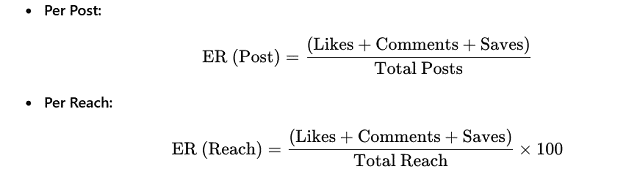
Engagement Rate measures how actively your audience interacts with influencer content. It represents the percentage of followers who engage (like, comment, share, or save) compared to the influencer’s total follower count.
ProDigitalWeb Tip:
For deeper accuracy, marketers often calculate Engagement per Post or Engagement per Reach, depending on campaign goals:
Benchmark Rates for 2025:
- Macro: 1–3%
- Micro: 3–6%
- Nano: 8–12%
Beyond likes and comments, modern brands track secondary engagement signals like saves, shares, profile clicks, and website taps. They can access all that data using Instagram’s Professional Dashboard.
- Authenticity
Fake followers and engagement pods still plague influencer marketing. Therefore, authenticity verification has become essential.
Tools for Authenticity Audits:
- HypeAuditor: Detects fake followers, bot engagement, and spam comments.
- Upfluence: Evaluates credibility using “True Reach” metrics and predictive engagement.
- GRIN: Tracks performance history, campaign ethics, and audience retention after sponsored posts.
SEO Tip: Partnering with credible influencers improves your brand’s E-E-A-T (Experience, Expertise, Authoritativeness, and Trustworthiness). It is an important Google ranking factor in 2025 for businesses relying on social authority signals.
Tools and Metrics to Evaluate Influencer Fit (Audience Overlap, Past Campaigns)
Selecting influencers without data validation can lead to misaligned campaigns and wasted ad spend. The ideal selection process blends AI analytics, audience segmentation, and human brand judgment.
- Audience Overlap
Understanding how much of the influencer’s audience already follows your brand, or overlaps with your ideal customer persona, is critical.
Use tools like:
- SparkToro – Measures shared audience behavior, related topics, and follows patterns.
- Social Blade – Analyzes follower growth trends to detect anomalies.
- Brandwatch Influence – Maps audience intersections across multiple creators to prevent redundancy.
Ideal Overlap: 15–30% ensures fresh exposure with contextual resonance.
- Past Campaign Performance
Evaluate how an influencer performed in similar collaborations.
Check:
- Average Engagement Rate per Campaign Post
- Affiliate Code Conversions
- Brand Sentiment in Comments
- Post Longevity Metrics (likes/comments trend over 7–14 days)
Platforms like CreatorIQ and Tagger Media allow you to benchmark campaign success using past data. That is helping forecast ROI before you commit to the budget.
- Follower Growth Consistency
Influencers with steady, organic growth patterns demonstrate genuine audience building.
Avoid accounts with:
- Sudden 10K+ follower jumps within 48 hours (likely purchased)
- Low story views compared to follower count (fake engagement signals)
- Conversion Tracking
Today’s influencer marketing is measurable end-to-end.
Use custom UTM parameters and unique coupon codes to track influencer performance via:
- GA4 (Google Analytics 4): Measure session source, engagement time, and conversion events.
- Meta Business Suite: Attribute in-app purchases and website clicks to influencer-driven campaigns.
Example UTM Structure:
?utm_source=instagram&utm_medium=influencer&utm_campaign=summer_collection_2025
This helps Marketers directly correlate influencer posts to website actions, newsletter signups, or eCommerce conversions.
Top Influencer Evaluation Tools for 2025
| Tool Name | Best For | Unique Feature |
| Brandwatch Influence | AI-based influencer matching | Real-time sentiment and brand affinity scoring |
| Influencity | Pre-campaign analytics | Predicts engagement and ROI based on psychographics |
| Tagger Media | ROI benchmarking | Evaluates engagement quality vs. total engagement volume |
| HypeAuditor | Fake follower detection | True reach algorithm and audience trust index |
| GRIN | Full-stack influencer management | Tracks campaign ROI and long-term performance |
Final Insights
Influencer marketing in 2025 rewards brands that combine data precision with emotional authenticity. Instead of partnering with creators based solely on their reach, focus on:
- Value alignment (Do they embody your brand mission?)
- Engagement depth (Is their audience actively participating?)
- Long-term potential (Can they grow with your brand?)
When brands treat influencer partnerships as strategic collaborations rather than transactions, they build stronger communities. Influencer Partnership collaborations boost SEO visibility and achieve consistent growth across campaigns.
SEO Takeaway: To maximize organic visibility, ensure influencer posts include branded hashtags, geotags, and keyword-rich captions. These signals affect Instagram discoverability. Right influencer selection also improves cross-platform ranking on Google’s social search integrations.
Plan the Influencer Collaboration Strategy for Instagram
Build Your Instagram Influencer Collaboration Strategy
A well-structured influencer collaboration strategy defines the foundation of success for any Instagram marketing campaign in 2025. Creativity drives engagement. However, it is data-backed planning, content diversification, and clear budgeting that determine long-term ROI.
Instagram’s evolving ecosystem improved from AI-powered content recommendations to Reels-first visibility. It demands that brands treat collaborations like integrated marketing funnels, not isolated shoutouts. Successful partnerships today blend storytelling, influencer creativity, and measurable performance indicators into one cohesive growth plan.
Types of Influencer Collaboration on Instagram (Product Seeding, Takeovers, Affiliate Links)
Influencer collaborations can take multiple forms. That depends on your marketing objectives, budget, and campaign duration. Understanding each type allows you to select the right partnership format to maximize reach and conversions.
- Product Seeding
Product seeding, also called gifting collaborations. That involves sending products to influencers without mandatory posting requirements.
This organic approach works best for:
- Product launches or sampling programs
- Building early-stage brand awareness
- Generating authentic user-generated content (UGC)
In 2025, AI-based seeding tools like Traackr or AspireIQ help brands identify creators with the highest “content virility potential.” It is using predictive engagement models.
Even if influencers are not contractually bound to post, earned organic mentions often lead to 4x higher audience trust compared to paid partnerships.
SEO Insight: Product seeding often results in multiple natural backlinks and branded keyword mentions. It is enhancing domain authority and E-E-A-T signals for your brand site.
- Instagram Takeovers
Instagram takeovers let influencers temporarily control a brand’s account to engage directly with followers through Stories, Reels, or Lives.
This collaboration type:
- Boosts content freshness and introduces new voices
- Enhances follower trust by showing real-world experiences
- Increases story reach by up to 30% through algorithmic cross-engagement
Example Use Case:
A skincare brand allows a dermatologist influencer to host a “Behind the Brand” Q&A on Instagram Live. The event is promoted through countdown stickers and cross-posted Reels. That is resulting in higher profile visits and email sign-ups.
Technical Tip: Use Meta Business Suite’s co-authoring tool to safely manage takeovers without sharing credentials. Track takeover performance via Stories retention rate and average live duration per viewer.
- Affiliate Links & Discount Collaborations
Affiliate programs create performance-based influencer partnerships. So, influencers earn a commission for every sale generated via unique tracking links or promo codes.
This model works best for eCommerce, SaaS, or subscription-based brands looking for measurable conversions.
How It Works Technically:
- Each influencer receives a custom UTM link (e.g., utm_source=instagram&utm_medium=influencer&utm_campaign=spring_sale2025).
- Track conversions in Google Analytics 4 (GA4) using event-based metrics like purchase, add_to_cart, and session_start.
- Combine with Meta Pixel for cross-platform attribution.
Advantages:
- Guaranteed ROI visibility
- Incentivizes influencers to promote consistently
- Allows accurate influencer ranking based on conversion value
ProDigitalWeb Tip: Create tiered commission structures for top performers. That is boosting motivation and brand loyalty.
Content Formats That Perform (Reels, Carousel Posts, Stories, Lives)
Instagram’s algorithm in 2025 heavily prioritizes short-form video and interactive content. However, optimal performance comes from combining multiple content formats in your influencer strategy to reach different touchpoints in the user journey.
- Instagram Reels (High Discovery Potential)
Reels dominate visibility through AI-driven Explore recommendations and audio-based discovery.
Best Practices:
- Keep the length between 15 and 30 seconds for maximum retention.
- Integrate trending audio, quick captions, and a CTA overlay.
- Use branded hashtags and tag your product page or shop tab.
SEO Advantage:
Reels now appear in Google Search results via Entity-based indexing. That means your brand can gain organic visibility beyond Instagram.
- Carousel Posts (Education & Storytelling)
Carousels encourage high dwell time and repeat engagement.
Use them for:
- Product demos or before-and-after transformations
- Step-by-step tutorials
- Brand storytelling or testimonials
Technical Optimization:
Include keyword-rich alt text in images (Instagram now indexes alt text for accessibility). Do not forget to Pin key carousel posts to highlight ongoing campaigns.
- Instagram Stories (Engagement Booster)
Stories create direct engagement through polls, stickers, quizzes, and countdowns.
They are ideal for limited-time promotions, giveaways, and behind-the-scenes content.
Key Metrics to Track:
- Completion rate (views on last story ÷ first story)
- Link sticker CTR
- Story replies and sticker interactions
Technical Workflow: Use Instagram Insights + GA4 UTM tracking to measure how many story viewers land on your website and complete conversions.
- Instagram Lives (Real-Time Credibility)
Instagram Lives deliver authentic, unedited brand engagement. Instagram is ideal for launches, interviews, or product demos.
Optimization Tips:
- Announce Lives 3–5 days in advance with countdown stickers.
- Use co-host features for dual visibility (brand + influencer).
- Repurpose Live sessions as Reels or YouTube Shorts for long-tail engagement.
Metric Focus:
Track average view duration, concurrent viewers, and replay engagement.
Timeline & Budget Planning
Effective influencer collaboration requires strategic time mapping and budget allocation. Those should be aligned with campaign phases, from concept to post-campaign analysis.
- Timeline Planning
A structured timeline ensures consistency. It allows for content optimization across collaboration stages.
| Phase | Duration | Tasks |
| Pre-Campaign (1–2 Weeks) | Define objectives, shortlist influencers, draft contracts, send briefs | |
| Content Creation (2–4 Weeks) | Product delivery, concept approval, and content production | |
| Launch Phase (1 Week) | Posts go live, cross-promotion, and ad boosts begin | |
| Post-Campaign (1–2 Weeks) | Collect analytics, evaluate engagement metrics, calculate ROI |
ProDigital Tip: Use project management tools like Airtable or Notion with shared
dashboards for influencer communication and timeline tracking.
- Budget Planning
Budgeting includes influencer fees. However, it should also include content amplification, creative production, and tracking infrastructure.
Budget Breakdown Example:
- Influencer fees: 50–60%
- Ad boosting & paid amplification: 20–25%
- Tools & analytics (GA4, Brandwatch, Tagger): 10–15%
- Miscellaneous (product shipping, photography): 5–10%
To forecast influencer ROI, use:
ROI (%) =Revenue Generated – Campaign CostCampaign Cost×100ROI (%) =Campaign CostRevenue Generated – Campaign Cost×100
Data Insight: According to HubSpot’s 2025 Influencer Report, brands investing 15% more in analytics and post-campaign tracking achieved up to 2.8x higher ROI than those relying on engagement metrics alone.
Final Insights

Brands should diversify collaboration types; optimize the campaign for algorithmic formats like Reels. Further, they should align budgets with measurable KPIs. By doing so, brands can build campaigns that influence authentically and convert strategically.
Instagram Influencer Outreach and Negotiation: What Works
Building successful influencer collaborations on Instagram does not start with likes or hashtags. However, it begins with strategic outreach and transparent negotiation. In 2025, brands that personalize their influencer communication and ensure ethical compliance see 30–40% higher campaign ROI (according to HypeAuditor and Later data). Let us break down what makes influencer outreach and negotiation truly effective in today’s algorithm-driven, authenticity-focused landscape.
Crafting a Personalized Outreach Message
Influencer outreach is not about cold DMs; it is about meaningful partnerships.
A personalized message shows that you have done your research and understand the influencer’s brand, tone, and community. Avoid generic “collab inquiry” messages that sound automated or transactional.
SEO tip: Use natural anchor phrases like “how to approach Instagram influencers” or “best outreach strategies for influencer marketing” to rank for intent-based queries.
Steps for Effective Influencer Outreach:
- Research before reaching out: Study their content themes, posting frequency, audience demographics, and engagement levels. Tools like Upfluence, Modash, or Aspire.io can give you in-depth insights.
- Personalize your pitch: Mention specific posts or campaigns you admire and explain how your brand complements their content style.
- Example: “Your sustainable skincare routine aligns perfectly with our eco-friendly product line.”
- Highlight mutual value: Show what is in it for them, such as exclusive early access, affiliate revenue, or content exposure on your brand’s main page.
- Be concise yet clear: Keep your email/DM under 200 words. It should be with a strong call to action (“Would you be open to a product seeding collaboration next month?”).
Pro tip: Use an Instagram Business Email Extractor or CRM integration (HubSpot, Notion, or Airtable) to track responses and maintain professional communication flow.
Negotiating Deliverables, Compensation & Incentives
Negotiation is where clarity meets credibility. Influencers expect brands to be transparent about expectations, timelines, and payment models. Miscommunication at this stage can derail even the most creative campaigns.
- Define Deliverables Clearly
- Specify the number of posts, stories, and Reels.
- Clarify content ownership and reuse rights (can you repurpose Reels for paid ads?).
- Mention expected hashtags, captions, CTAs, and deadlines.
- Compensation Models to Consider
- Flat Fee: Common for macro-influencers; clear and straightforward.
- Affiliate Commission: Great for performance-based campaigns. Integrate with tools like Shopify Collabs or Refersion.
- Product Seeding: Works best for nano/micro-influencers in niche communities.
- Hybrid Model: Combines a base payment + performance incentive to ensure both motivation and fairness.
Technical tip: Always use trackable URLs (UTM parameters) and unique discount codes to measure ROI by influencer.
- Incentives that Strengthen Partnerships
Offer incentives beyond money. The offers may be such as early product launches, long-term ambassador contracts, or cross-promotion opportunities. This builds loyalty and turns one-off collaborations into recurring partnerships.
Legal & Disclosure Requirements (#ad, Transparency)
Transparency is not optional; it is legally mandated and algorithmically rewarded. Instagram’s algorithm tends to demote shadow promotions and reward authentic content with proper disclosure.
FTC Guidelines for 2025: What U.S. Influencers Must Know
In the United States, the Federal Trade Commission (FTC) strictly enforces transparency in influencer collaborations to protect consumers from misleading promotions. Every paid or sponsored post must clearly disclose the brand relationship using visible tags such as #ad, #sponsored, or Paid Partnership. That should be ideally within the first few lines of the caption.
The FTC’s 2025 updates emphasize that disclosures must be:
- Clear and unavoidable: Hidden tags or disclosures in comments or bio sections do not count.
- Consistent across formats: Whether it is a Reel, Story, or Carousel post, the disclosure must be visible on each piece of content.
- Authentic and honest: Influencers should not make false performance claims or exaggerate product benefits.
Brands and agencies are equally responsible. That means both the influencer and the brand can face penalties for non-compliance. To maintain trust and credibility in U.S. markets, always ensure your influencer contracts include a disclosure clause aligned with FTC standards.
Best practice: Use a standard influencer agreement template vetted by legal counsel, outlining IP rights, usage duration, exclusivity clauses, and termination policies.
Effective influencer outreach and negotiation on Instagram in 2025 requires personalization, transparency, and compliance. Research your influencer’s audience, and define clear deliverables. Offer fair compensation, and follow legal disclosure guidelines to build lasting, ethical partnerships that boost both reach and brand trust.
Create Authentic Instagram Collaboration Content That Resonates
In 2025, Instagram’s algorithm rewards authenticity, creative originality, and audience relevance more than ever. Collaboration success now depends not only on aesthetics but on how real, relatable, and emotionally compelling your message feels. To thrive, brands must empower influencers to tell stories, not scripts, while maintaining brand integrity and measurable ROI.
Balancing Brand Guidelines with the Influencer’s Creative Voice
Authenticity starts when brands trust influencers to speak in their own voice. The influencer’s creative tone, such as humor, storytelling style, and visual format, is what made their followers engage in the first place. Overly restrictive guidelines can destroy that connection and make content appear “branded” or robotic.
How to Strike the Right Balance:
- Provide a flexible content brief: Include your core message, visual identity, and must-have hashtags. However, leave room for the influencer’s tone, caption style, and storytelling.
- Use brand kits, not scripts: Share approved color palettes, fonts, product details, and campaign hashtags via Google Drive or Notion. Never dictate word-for-word captions.
- Approve drafts collaboratively: Use workflow tools like Afluencer, Aspire.io, or Influencity to co-review drafts, keeping creative flow intact.
- Track performance while respecting creativity: Use Instagram Insights, Later Analytics, or Meta Business Suite to analyze metrics such as engagement rate, saves, and completion rate for Reels.
Pro Insight: Brands that allow 70–80% creative freedom see up to 40% higher engagement rates, according to Influencer Marketing Hub (2025).
Storytelling vs Sales Pitch: What Drives Engagement?
In the current social landscape, storytelling beats sales-pitching every time. Instagram’s AI-powered algorithm prioritizes meaningful interactions, such as comments, saves, and shares, over vanity metrics like impressions.
- Build a Narrative, Not an Ad
Encourage influencers to weave your product into their daily lifestyle narrative.
Example: Instead of saying, “Try our vitamin gummies,” they might say, “These helped me stay energized during long editing nights.”
- Emotional Connection = Conversion
Use emotion-driven storytelling frameworks (Hero’s Journey or Problem–Solution–Result) to make posts relatable.
- Identify the pain point (dry skin).
- Introduce the solution (your product).
- End with authentic testimony or transformation.
- Integrate Strong Yet Subtle CTAs
Encourage engagement through comments, polls, or link clicks, not aggressive sales lines.
Good CTA example: “Have you tried a similar skincare routine? Let me know below.”
Fact: According to Later’s 2025 benchmark data, Reels with authentic narrative hooks outperform ad-style videos by 2.5x in watch time and 3x in share rate.
Leveraging User-Generated Content (UGC) and Influencer Content for Long-Term Value
The real power of influencer marketing extends beyond one campaign. User-generated content (UGC) and influencer assets can fuel your brand’s content ecosystem for months if leveraged strategically.
- Repurpose UGC Across Platforms
- Use influencer-created photos or videos on your website, email newsletters, and paid ads (with proper permissions).
- Integrate into Instagram Highlights, Story archives, and Pinterest boards for extended discoverability.
- Tools like Canva Brand Hub, Later Studio, or Hootsuite Composer can help format influencer content into diverse formats.
- Measure Long-Term ROI
Monitor metrics like:
- Follower retention rate
- Website conversions from tagged content
- Engagement over time (30-day rolling performance)
Use UTM-tracked influencer links and connect Instagram data with Google Analytics 4 (GA4) for conversion attribution accuracy.
- Build a Brand Advocacy Loop
Transform top-performing influencers into long-term ambassadors. Offer them early access, co-creation roles, or affiliate programs using platforms like Impact, PartnerStack, or CreatorIQ.
Pro Tip: Reposting UGC regularly not only saves content production costs but also boosts trust. Consumers view UGC as 2.4x more authentic than branded visuals (source: NielsenIQ 2025).
Authentic influencer collaboration content drives engagement and trust. Brands that balance creative freedom with consistent storytelling and leverage user-generated content see sustained visibility, audience loyalty, and long-term ROI across Instagram.
Launch, Monitor, and Optimize Your Instagram Influencer Collaboration
Launching influencer collaboration on Instagram is not the finish line. It is the data-driven beginning. The difference between an average campaign and a high-performing one lies in continuous monitoring, performance analytics, and iterative optimization. In 2025, influencer marketing success depends on how effectively brands track real-time metrics, analyze post-campaign performance, and apply learnings for future collaborations.
Real-Time Monitoring: Engagement, Reach, Clicks, Conversions
Once your campaign is live, tracking performance in real time helps you detect trends early. That helps to maximize exposure and avoid wasted ad spend. Instagram’s dynamic algorithms adjust visibility based on user engagement signals. That means the faster you react, the better your outcomes.
- Key Metrics to Monitor in Real Time
- Engagement Rate (ER): (Likes+Comments+Saves)÷Followers×100(Likes+Comments+Saves)÷Followers×100
- A healthy ER for influencer content typically ranges between 2.5% and 8%, depending on niche and audience size.
- Reach & Impressions: Monitor organic reach through Instagram Insights to assess how far the collaboration is traveling beyond followers.
- Click-Through Rate (CTR): Track clicks from link in bio, Stories stickers, or affiliate links using UTM parameters for accuracy.
- Conversions: Integrate Google Analytics 4 (GA4) with your campaign URLs to record purchase completions, newsletter sign-ups, or app downloads.
- Sentiment Analysis: Use AI-driven tools like Brandwatch, HypeAuditor, or Sprout Social to gauge audience sentiment from comments and mentions in real time.
- Tools for Monitoring Influencer Campaigns
Instagram engagement analytics tools:
- Meta Business Suite – for campaign-level insights (reach, saves, shares, profile actions)
- Influencer Intelligence / Upfluence – for influencer-specific KPIs and conversion metrics
- Bitly or Rebrandly – to shorten and track link performance across Stories, posts, and Reels
- Mention / BrandMentions – for tracking brand mentions and hashtags across Instagram
Pro Tip: Set alerts for engagement spikes or drops during the first 72 hours. Adjust ad boosts or cross-promotions to sustain momentum.
Post-Campaign Analysis: ROI, CPM, Cost per Engagement
After the campaign concludes, comprehensive data analysis determines whether your influencer collaboration delivered measurable business value. This phase converts insights into strategy.
- Measure Core Performance Indicators
| Metric | Formula | Benchmark Insight (2025) |
| ROI (Return on Investment) | Revenue–CampaignCostRevenue–CampaignCost ÷ Campaign Cost × 100 | Top-tier campaigns achieve 400–600% ROI in influencer marketing. |
| CPM (Cost per Mille) | Total Spend ÷ (Total Impressions ÷ 1,000) | Effective CPMs on Reels range $4–$10, depending on the niche. |
| CPE (Cost per Engagement) | Total Spend ÷ Total Engagements | CPE under $0.15 is considered high efficiency for micro-influencers. |
- Track Conversion Attribution
Use multi-touch attribution models in GA4 or Meta Ads Manager to assign value to each influencer-driven interaction:
- First-touch attribution: credit to influencer discovery
- Last-touch attribution: credit to final conversion
- Data-driven attribution: distributed across multiple influencer touchpoints
- Visualize Data
Import influencer metrics into Google Looker Studio dashboards. This provides an integrated view combining:
- Instagram metrics (reach, engagement, saves)
- Website conversions
- Affiliate sales
- This visual clarity helps decision-makers assess ROI instantly.
Pro Insight: Campaigns that use structured UTM tracking across all influencer posts report 27% higher conversion accuracy (HubSpot, 2025).
Optimize for Next Collaboration: What Worked, What Didn’t
Optimization is where influencer marketing truly compounds value. The data from your campaign should not sit in a spreadsheet; it should inform your next creative brief, influencer selection, and targeting strategy.
- Evaluate Qualitative & Quantitative Results
Ask:
- Which influencer format (Reel, Story, and Carousel) had the highest engagement-to-reach ratio?
- Did short-form Reels outperform static posts?
- Were conversions higher from nano-influencers or macro campaigns?
- Which storytelling style resonated most with the audience sentiment?
- Refine Future Campaigns
- Double down on top-performing influencers by offering long-term partnerships or ambassador deals.
- Adjust posting times using Instagram Insights’ Audience Activity data to optimize for peak engagement hours.
- Segment audiences based on behavior (retarget those who clicked but did not convert via Meta Ads).
- Build a Feedback Loop
Collect influencer feedback post-campaign. Their insights often reveal creative or technical friction points unseen by brands (algorithm shifts, engagement lags).
Use these to enhance briefing templates, update content formats, or recalibrate incentive structures.
Pro Tip: Store campaign results in a centralized influencer CRM (Grin, CreatorIQ, or Aspire) for trend analysis and relationship nurturing.
Effective Instagram influencer collaborations do not end at launch. However, they evolve through data. By tracking engagement, ROI, and cost-per-engagement in real time, brands can refine strategies, boost future conversions, and build sustainable influencer ecosystems.
Scaling Influencer Collaborations & Building Long-Term Relationships
The most successful brands on Instagram in 2025 are not those running one-off influencer campaigns. Instead, they are the ones building ecosystems of long-term, trusted collaborators. Scaling influencer marketing means moving from isolated partnerships to strategic repeat collaborations that compound results through loyalty, community engagement, and consistent storytelling.
When executed correctly, long-term influencer partnerships function as an extension of your brand’s in-house marketing team. It is delivering consistent reach, authentic advocacy, and sustained ROI.
From One-Off Posts to Recurring Collaborations
One-time influencer posts may generate short bursts of engagement. However, sustainable growth comes from ongoing influencer relationships that evolve across multiple campaigns.
- Why Long-Term Partnerships Work Better
- Algorithmic Trust: Instagram’s AI prioritizes consistent creator-brand collaborations, as repeated mentions signal authenticity.
- Audience Familiarity: Repeated exposure builds narrative continuity. Audiences begin to associate your product with lifestyle credibility.
- Lower CPA Over Time: influencer audiences transition from awareness to loyalty. Therefore, the acquisition costs decrease.
- Predictable ROI: Long-term partners help establish baseline performance data. That is improving forecasting accuracy.
- Structuring Ongoing Collaborations
- Create tiered influencer programs (Ambassador, Partner, Creator tiers) using platforms like GRIN, Aspire, or CreatorIQ.
- Develop quarterly collaboration cycles —Plan spring launch, summer lifestyle, and holiday campaigns like that to keep engagement fresh.
- Offer affiliate commissions or performance bonuses instead of one-time payments. Integrate affiliate tracking through Impact or Refersion to maintain transparency.
Pro Tip: Influencers under long-term contracts generate up to 53% higher engagement rates and 2.4x more conversions than one-off campaigns (Source: Influencer Marketing Hub, 2025).
Co-Creating Products or Branded Content with Influencers
Co-creation is the next stage in influencer-brand synergy. Instead of treating influencers as external voices, brands now invite them into the creative and product development process.
- Product Co-Creation
Top brands like Gymshark, ColourPop, and Daniel Wellington have already demonstrated how influencer co-created products outperform traditional launches.
- Involve influencers in design, packaging, or feature decisions.
- Launch limited-edition influencer collections with early-access campaigns via Reels and Stories countdowns.
- Track conversions using custom discount codes (“CODE: EMMA25”) and UTM tracking for influencer attribution in GA4.
- Branded Content Co-Creation
Co-produced branded content, such as tutorials, day-in-the-life videos, or challenge-based Reels, humanizes your brand voice.
- Use Instagram Collab Posts (dual-handle posts) to share reach and engagement data seamlessly.
- Implement A/B testing for creative performance:
- Version A: influencer-first storytelling
- Version B: product-centric narrative
- Analyze metrics like watch time, save rate, and comment quality to determine optimal storytelling balance.
Pro Insight: Branded content co-created with influencers drives 60% higher engagement and 3x brand recall compared to standard sponsored posts (Meta Business Study, 2025).
Community-Driven Campaigns & Influencer Ecosystems
Scaling collaboration does not mean adding more influencers. It means building a cohesive influencer community that engages across tiers and platforms.
- The Rise of Influencer Ecosystems
A modern brand’s influencer ecosystem includes:
- Macro-influencers for awareness
- Micro and Nano-influencers for community trust
- Employee advocates and UGC creators for authenticity.
- These networks interlink to create multi-layered advocacy, driving reach and credibility at scale.
- Community Engagement Tactics
- Host exclusive creator events, product previews, or retreats to strengthen relationships.
- Create private Discord or WhatsApp groups for direct communication, collaboration ideas, and feedback exchange.
- Use co-branded hashtags (#MyBrandCreators) to unify community content and track reach growth via Sprout Social or Later Analytics.
- Reward consistent creators through tier-based loyalty programs, such as offering early access, referral bonuses, or paid creative input sessions.
- Automation & Data for Scaling
As partnerships grow, scalability depends on systems.
- Use AI-driven influencer CRMs (Tagger, Klear) for campaign automation, outreach tracking, and ROI reporting.
- Employ machine learning models within GA4 to predict top-performing influencer segments and future audience behaviors.
- Monitor lifetime influencer value (LIV) is a metric showing the cumulative revenue or reach generated per influencer relationship.
Example Metric Formula:
LIV = (Total Conversions from Influencer / Total Campaign Cost) × Retention Period (in months)
ProDigital Tip: Brands that build structured influencer ecosystems achieve 30–40% lower churn rates and sustained engagement growth over 12 months.
Future Trends in Instagram Influencer Collaboration (2025 & Beyond)
Influencer collaboration on Instagram is rapidly evolving beyond sponsored content into a tech-integrated, values-driven creator economy. As we move through 2025 and beyond, emerging technologies like AI matchmaking, augmented reality (AR), live commerce, and ethical creator ecosystems will redefine how brands and influencers connect.
To stay competitive, marketers must embrace automation, transparency, and immersive experiences. However, it is preserving human authenticity that drives engagement on Instagram.
Rise of AI-Driven Influencer Tools and Creator Matchmaking
Artificial Intelligence (AI) is transforming how brands discover, evaluate, and collaborate with influencers. Gone are the days of manually browsing profiles. Today, AI models analyze billions of data points to find creators who align perfectly with a brand’s goals and audience profile.
- Predictive Influencer Discovery
AI tools such as Tagger, Influencity, and AspireIQ now use machine learning algorithms to analyze:
- Audience quality & overlap: AI detects fake followers, inactive audiences, and engagement pods.
- Sentiment alignment: NLP (Natural Language Processing) scans captions, comments, and tone to match influencer voice with brand sentiment.
- Performance prediction: Predictive analytics forecast potential reach, engagement, and ROI before collaboration begins.
Pro Insight: According to a 2025 report by Influencer Marketing Hub, brands using AI-based influencer matchmaking saw 33% higher campaign efficiency and 25% lower acquisition costs than manual methods.
- AI in Content Creation & Optimization
- AI caption and hashtag generators (like ChatGPT, Copy.ai, or Later’s AI Assistant) help influencers craft SEO-friendly, platform-optimized posts.
- Computer vision tools evaluate image aesthetics, facial expressions, and color tone for better engagement prediction.
- AI-driven analytics dashboards visualize performance metrics in real time. Further, AI is recommending content tweaks mid-campaign.
AR/VR, Live Commerce and Immersive Collaborations
The next wave of Instagram influencer marketing will be experiential and interactive. With Meta’s integration of AR effects, virtual stores, and real-time engagement tools, the creators are turning their followers into participants, not just viewers.
- AR Filters and Virtual Try-Ons
Brands can now deploy custom AR filters that allow users to “try” products. The products vary from sunglasses to lipsticks. Brands are marketing these products directly through influencer posts.
- Tools like Spark AR Studio and Effect House enable influencers to co-create branded AR effects.
- Integration with Instagram Shopping allows users to purchase instantly after using the filter.
- AR try-ons increase purchase intent by up to 94%, according to Meta’s 2025 commerce data.
- Live Commerce: Real-Time Conversion
Influencers are evolving into live sellers through Instagram Live Shopping and Reels Live Events.
- Live shopping blends entertainment and commerce, creating urgency and trust through direct interaction.
- Integrate affiliate tracking links via Meta Shops or third-party platforms like Shopify Collabs to measure conversions.
- Use analytics dashboards to track live session engagement, click-through rates, and real-time purchases for ROI optimization.
- Immersive Storytelling in VR
Though still emerging, VR-based influencer collaborations are expected to shape 2026 and beyond. Creators will host virtual product demos, events, and interactive tutorials within metaverse environments.
- Brands can test VR pilot campaigns through Meta Horizon Worlds or Roblox Creator Partnerships.
- 360° storytelling enhances emotional connection — an element AI alone can’t replicate.
ProDigital Tip: Combine AR filters + influencer Reels for dual discoverability. Meta’s internal data suggests this hybrid format boosts average watch time by 28%.
Ethical, Sustainability & Creator Economy Shifts
As influencer marketing matures, transparency, sustainability, and fair compensation are becoming non-negotiable pillars of the new creator economy.
- Transparency and Compliance
Regulators like the FTC (U.S.), ASA (U.K.), and ASCI (India) now enforce stricter rules on influencer disclosure.
- Always use clear labels such as #ad, #sponsored, or #paidpartnership.
- AI tools can automatically flag undisclosed content before posting.
- Brands adhering to compliance see higher consumer trust and reduced risk of reputation damage.
- The Rise of Sustainable Influencing
Consumers — especially Gen Z — expect influencers to promote eco-conscious and socially responsible brands.
- Over 70% of Instagram users prefer creators who support sustainability causes or highlight ethical sourcing.
- Collaborations with green-certified brands or impact-driven campaigns not only enhance brand perception but also improve retention among purpose-driven audiences.
- Empowering Creators in the New Economy
The influencer landscape is shifting toward creator equity models:
- Influencers are becoming brand co-owners or profit-share partners.
- Web3 and blockchain solutions offering smart contracts that ensure payment transparency and royalty tracking.
- Decentralized creator marketplaces (built on blockchain) enable fair, direct collaborations without intermediaries.
Pro Insight: The creator economy is projected to surpass $600 billion globally by 2030, driven by ethical partnerships, AI automation, and community-first brand ecosystems.
The future of Instagram influencer collaborations lies in AI, AR, and authenticity. It is going to be employed in various activities from predictive AI matchmaking to immersive AR commerce and ethical creator partnerships. 2025 marks the shift from short-term sponsorships to transparent, technology-powered, and sustainable influencer ecosystems.
Resources: Templates, Tools & Further Reading
Collaborating with influencers becomes significantly more effective when you have the right tools and templates. To help brands, marketers, and creators streamline their Instagram influencer strategies in 2025, here is a curated set of professional resources. They are built for efficiency, transparency, and measurable impact.
Influencer Outreach Email Template
Personalization is crucial in influencer outreach. A generic message is easy to ignore. However, a thoughtful, brand-aligned email can set the tone for a meaningful partnership.
Example Influencer Outreach Template (SEO-Optimized for Engagement):
Subject: Let us Collaborate on Something Amazing for [Influencer’s Audience Name]!
Hi [Influencer’s Name],
I have been following your content on Instagram and truly appreciate how you [mention something specific—like your latest Reel on sustainable fashion or travel hacks].
I represent [Your Brand Name], and we’re planning a campaign around [campaign theme or product]. We believe your authentic style and engaged community align perfectly with our goals.
Here’s a quick overview:
- Campaign Goal: [Awareness for new product launch]
- Deliverables: [1 Reel + 1 Story with tagged links]
- Timeline: [Start and end date]
- Compensation: [Flat fee, affiliate percentage, or free product]
Would you be open to discussing collaboration details this week?
Best,
[Your Name]
[Position / Brand Name]
[Contact Information]
Tip: Keep your first email concise, personal, and respectful of the influencer’s time. Avoid bulk sending. Do not forget to customize every outreach with specific references to their content and audience style.
H3: Campaign Tracking Spreadsheet
Managing multiple collaborations? You will need a clear system to track campaign deliverables, timelines, and performance metrics.
Recommended Columns for Your Tracking Sheet:
| Column Name | Description |
| Influencer Name | Full name and Instagram handle |
| Follower Count | Current follower base (to track growth) |
| Engagement Rate (%) | Likes + Comments ÷ Followers × 100 |
| Deliverables | Type of content (Reel, Story, Carousel, etc.) |
| Campaign Hashtags | Brand + custom campaign tags |
| Post Dates | Scheduled and actual posting dates |
| Metrics | Reach, impressions, saves, clicks, conversions |
| Cost per Post | Compensation or affiliate rate |
| ROI / KPI Notes | Outcome vs. goal performance |
Use Google Sheets or Notion for real-time collaboration and performance visualization.
For deeper analysis, connect your sheet to Google Looker Studio or Meta Ads Manager for automated KPI dashboards.
Recommended Influencer-Marketing Tools
To stay competitive in 2025, marketers need platforms that streamline influencer discovery, campaign management, and analytics.
Here are the top tools trusted by digital marketing experts:
| Tool | Best For | Key Features |
| Upfluence | Enterprise influencer management | AI-driven search, ROI tracking, e-commerce integrations |
| HypeAuditor | Influencer vetting | Authenticity score, audience demographics, and fake follower detection |
| Modash | Influencer discovery & campaign analytics | Audience overlap check, engagement benchmarks |
| Afluencer | SMB and micro-influencer partnerships | Affordable plans. Easy outreach, niche targeting. |
| Grin | Full-funnel influencer CRM | Influencer onboarding. content approval workflows, sales attribution |
| Canva + Meta Business Suite | Content creation & scheduling | Visual templates, scheduling posts, and Reels performance tracking |
Further Reading:
- Instagram Creator Marketplace Guide (Meta 2025)
- Influencer Marketing Hub’s 2025 Industry Benchmark Report
- ProDigitalWeb.com – Measuring ROI in Instagram Marketing (Expert Insights)
ProDigitalWeb Tip:
Combine AI-powered influencer tools with manual vetting for the perfect balance of scale and authenticity. Brands that use both see 23% better campaign ROI (Source: Influencer Marketing Benchmark Report, 2025).
Conclusion: Your Roadmap to Instagram Influencer Collaboration Success
Recap of the Steps
Building successful influencer collaboration on Instagram in 2025 requires more than finding someone with a large following. It demands strategic alignment, authentic storytelling, and data-driven execution. You’ve learned how to:
- Identify clear marketing goals and target audience profiles.
- Choose the right influencers based on relevance, engagement, and authenticity metrics.
- Design structured collaboration campaigns. These campaigns must blend creativity with measurable KPIs.
- Use analytics tools like Meta Business Suite, HypeAuditor, or Sprout Social to monitor engagement, ROI, and long-term brand lift.
- Evolve toward sustainable, long-term influencer partnerships that reinforce brand trust and loyalty.
Brands need to combine creativity, technology, and transparency. By doing so, brands can now transform influencer collaborations into full-scale brand amplification ecosystems that grow communities, not only follower counts.
Quick Checklist for Immediate Action
Here is your actionable influencer collaboration checklist to implement right away:
Define goals: Awareness, engagement, conversions, or advocacy.
Research your audience: Demographics, interests, and buying intent using tools like Meta Insights or SparkToro.
Find the right influencers: Evaluate engagement rate (3–6% is healthy), follower authenticity, and niche relevance.
Plan collaboration structure: Select suitable formats — Reels, carousel posts, or branded takeovers.
Set measurable KPIs: Track metrics like CPE (Cost per Engagement), ROI, and Brand Lift.
Ensure compliance: Use correct hashtags (#ad, #sponsored) and follow FTC/ASA disclosure norms.
Analyze and optimize: Review campaign analytics, A/B test creative, and refine for better future performance.
This step-by-step process ensures visibility. It also helps you build sustainable influencer ecosystems that continue delivering results long after a single campaign ends.
Encourage Next Steps and Reader Engagement
In 2025 and beyond, Instagram’s influencer landscape is driven by authentic relationships, AI-powered insights, and value-based collaborations. Whether you are a brand manager, digital marketer, or influencer strategist, the future belongs to those who combine creativity with credibility.
If you have found this guide useful, take the next step:
- Share this post with your marketing team or peers who manage influencer relations.
- Comment below with your biggest challenge or success story in influencer collaborations.
- Follow our upcoming posts on AI-powered marketing tools, Instagram analytics, and brand growth strategies for 2025.
By embracing transparency, continuous optimization, and genuine collaboration, your brand can turn every influencer partnership into a scalable, high-impact growth engine on Instagram.
Quick Key Takeaways: Influencer Collaboration Tips for Instagram Success (2025)
| Aspect | Key Insight / Best Practice | Why It Matters (2025 Focus) |
| Goal Setting | Define clear objectives — awareness, engagement, conversions, or loyalty. | Keeps campaigns data-driven and aligns influencer output with ROI. |
| Audience Targeting | Use analytics tools (Meta Insights, Google Analytics, SparkToro) to segment demographics & psychographics. | Ensures content resonates with the right audience for maximum impact. |
| Influencer Selection | Choose influencers based on engagement rate (3–6%), relevance, and audience authenticity. | Builds trust and prevents wasted spend on fake or inactive followers. |
| Collaboration Types | Experiment with Reels, carousel posts, takeovers, and affiliate partnerships. | Diversifies reach and adapts to Instagram’s content algorithm changes. |
| Content Authenticity | Let influencers maintain creative freedom while respecting brand tone. | Improves audience trust and boosts organic engagement rates. |
| Monitoring & Metrics | Track engagement rate, CPE, CPM, CTR, and conversion lift. | Provides measurable insights for performance optimization. |
| Optimization | A/B test captions, formats, and posting times. Review post-campaign analytics. | Helps refine future influencer campaigns for stronger ROI. |
| Compliance | Always disclose sponsorships (#ad, #sponsored) and follow FTC/ASA guidelines. | Protects brand credibility and legal integrity. |
| Scaling Partnerships | Move from one-off deals to recurring collaborations and co-created content. | Builds long-term advocacy and consistent brand presence. |
| Emerging Trends | Leverage AI-driven influencer discovery tools, AR/VR experiences, and ethical marketing. | Keeps your strategy future-ready in a fast-evolving creator economy. |
ProDigitalWeb Tip:
Brands that focus on authentic storytelling + real-time analytics + long-term influencer relationships outperform one-time campaigns by up to 42% higher ROI (Source: Influencer Marketing Hub, 2025).
Frequently Asked Questions on Influencer Collaboration Tips for Instagram Success
-
What makes successful influencer collaboration on Instagram?
Successful influencer collaboration focuses on authentic storytelling, audience alignment, and measurable performance metrics. Brands should allow influencers creative freedom while maintaining consistent messaging. Tracking KPIs like engagement rate, reach, and conversion rate ensures the partnership delivers real ROI.
-
How do I find the right influencers for my brand on Instagram?
Use AI-powered influencer discovery tools like Upfluence, HypeAuditor, or Modash to filter influencers by niche, engagement rate, audience demographics, and authenticity score. Always cross-check follower quality and content alignment to ensure the influencer genuinely connects with your brand’s target audience.
-
How do I measure ROI for influencer marketing campaigns?
To calculate influencer marketing ROI, use the formula:
(Revenue Generated – Campaign Cost) ÷ Campaign Cost × 100.
Track engagement, cost per engagement (CPE), conversion rate, and referral traffic through UTM tracking, Meta Insights, and Google Analytics to determine which influencers deliver the best returns.
-
What are the best types of influencer collaborations on Instagram?
In 2025, the most effective collaboration formats include Instagram Reels, carousel posts, product seeding, Stories takeovers, and affiliate campaigns. These formats drive higher engagement due to their visibility in Instagram’s algorithm and interactive storytelling features.
-
How much should brands pay influencers in 2025?
Influencer rates vary by audience size, engagement, and content type. On average:
- Nano-influencers (1K–10K): $50–$200 per post
- Micro-influencers (10K–100K): $200–$1,000
- Macro-influencers (100K–1M): $1,000–$10,000+
- Mega-influencers (1M+): Negotiable, often multi-channel campaigns.
- Always negotiate based on content quality, exclusivity, and performance potential.
-
Are micro-influencers more effective than macro-influencers?
Yes — micro-influencers (10K–50K followers) often achieve higher engagement rates (3–6%) and stronger trust within niche audiences compared to macro-influencers. They are ideal for targeted campaigns. However, macro-influencers are better for brand awareness at scale.
-
What tools help manage influencer collaborations effectively?
Top influencer marketing platforms for 2025 include:
- Grin – End-to-end influencer CRM
- Upfluence – AI-driven discovery and performance tracking
- Modash – Audience overlap and analytics
- Canva + Meta Business Suite – They are the best suits for content creation and scheduling.
- These tools help streamline campaign management, analytics, and reporting.
-
How can brands ensure compliance with influencer regulations?
Brands must follow FTC and ASA guidelines by ensuring influencers clearly disclose paid collaborations using hashtags like #ad, #sponsored, or #paidpartnership. Transparency builds trust and protects both brand and creator from regulatory penalties.
-
What are the biggest influencer marketing trends in 2025?
Key 2025 trends include:
- AI-powered influencer matchmaking
- AR/VR-driven immersive brand experiences
- Ethical and sustainability-focused partnerships
- Rise of the creator economy and long-term brand ambassadorships
These innovations redefine authenticity, audience engagement, and campaign scalability on Instagram.
-
How do I build long-term influencer relationships?
Focus on ongoing communication, shared values, and mutual growth. Offer influencers creative input, early access to launches, and performance bonuses. Long-term partnerships turn influencers into brand advocates. That will improve consistency and cumulative brand trust.
Author
Rajkumar R R is a digital marketer, SEO strategist, and tech educator with extensive experience in content creation, AI, and social media strategy.
He is the founder of ProDigitalWeb.com, where he shares insights on technology, cybersecurity, digital marketing, and future trends.
His mission is to help creators, professionals, and students understand the changing digital landscape through research-based, actionable content.
Editor
Dharini R R is the editor for ProDigitalWeb. She specializes in content editing, topic research, and fact verification to ensure every article meets our standards for clarity, accuracy, and reader value.
Her editorial focus is on producing authentic, experience-backed, and SEO-aligned content for a global audience.